
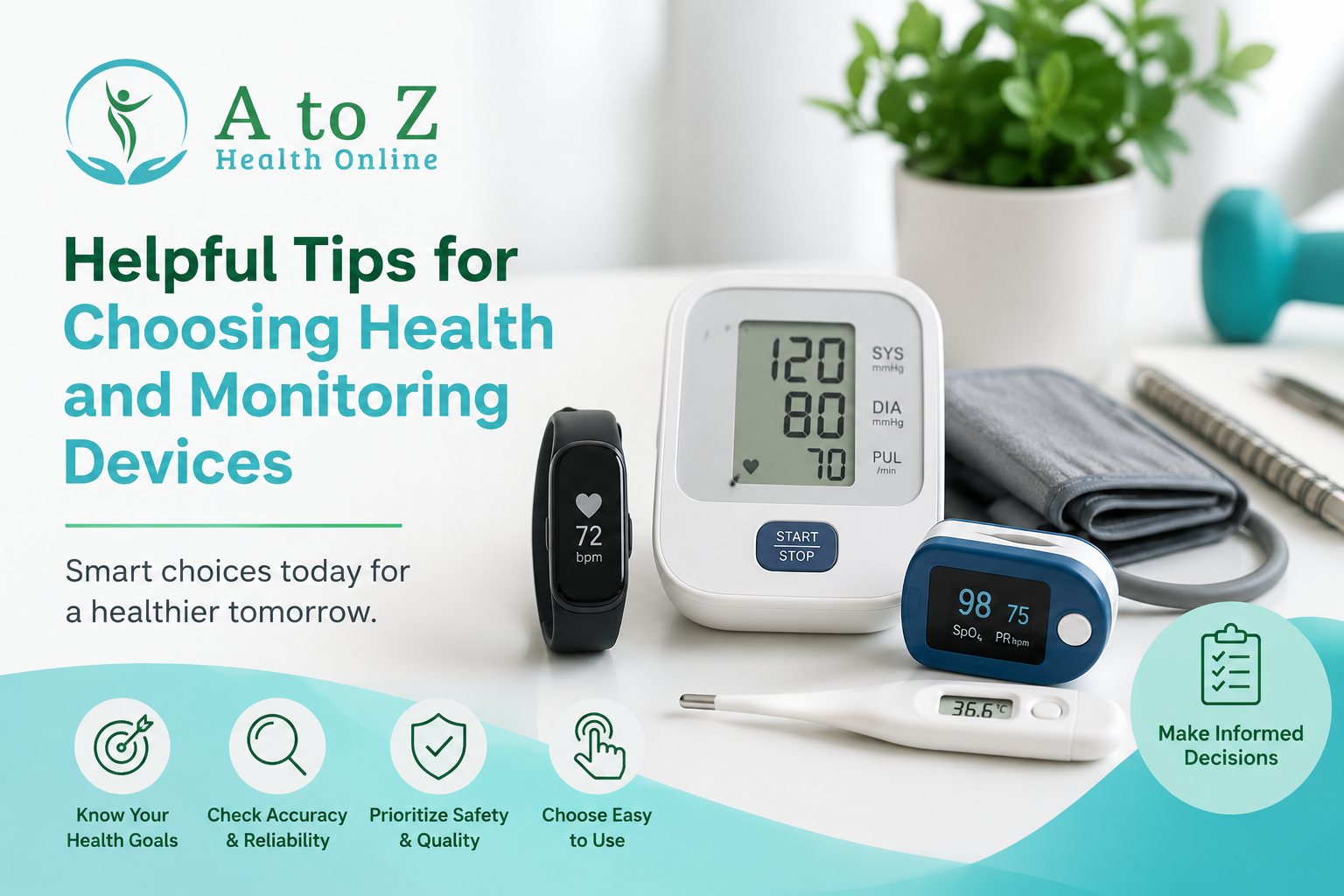
Health and monitoring devices have become a helpful part of everyday wellness. From checking basic health numbers to tracking activity, rest, and daily patterns, these products can make it easier to stay aware of your body and your routine. Whether you are building better habits, supporting a wellness goal, or simply wanting more insight into how you feel each day, the right device can bring useful information right to your fingertips.
Choosing the right health and monitoring device does not have to feel overwhelming. There are many options available, but the best choice depends on what you want to track, how often you plan to use it, and how comfortable you are with technology. Some people want a simple device that gives quick readings. Others prefer smart tools that connect to an app and store progress over time. By knowing what to look for, you can choose products that fit your needs and help make self care easier.
Before buying any health monitoring device, start by thinking about what information matters most to you. Some devices are made for checking daily activity, while others focus on things like heart rate, blood pressure, oxygen levels, sleep patterns, or general wellness tracking. Knowing your main goal helps narrow down your choices.
For example, if you want to stay more aware of your movement throughout the day, a fitness tracker or smartwatch may be useful. If you want to keep an eye on basic health readings at home, a blood pressure monitor, pulse oximeter, or similar device may be a better fit. If rest and recovery are your focus, a sleep tracker may help you understand your nightly routine.
It is easy to get drawn in by products with many features, but more features are not always better. A device should match your actual lifestyle. If you only need simple readings, choose something easy to use. If you enjoy reviewing details and progress, a more advanced device may be worth considering.
A health and monitoring device should make your routine easier, not more complicated. Look for clear displays, simple buttons, comfortable sizing, and instructions that are easy to understand. If a product feels confusing from the beginning, you may not use it consistently.
Ease of use is especially important for devices that need regular readings. A blood pressure monitor, for example, should have a cuff that fits comfortably and a screen that is easy to read. A wellness tracker should feel comfortable on your wrist and have settings that are simple to adjust. A thermometer, pulse reader, or other handheld device should give results quickly and clearly.
If the device connects to a phone app, check whether the app looks simple and organized. Some apps provide charts, reminders, and history tracking, which can be helpful. However, if you prefer not to use an app, look for a device that works well on its own.
Comfort matters more than many people realize. If you are wearing a device throughout the day or while sleeping, it should feel lightweight, smooth, and secure. A tracker that feels bulky or uncomfortable may end up sitting in a drawer instead of being used.
For wrist devices, look for adjustable bands and materials that feel good against the skin. If you are choosing a blood pressure monitor, make sure the cuff size is appropriate. A cuff that is too tight or too loose can be uncomfortable and may affect the reading. For sleep and relaxation devices, soft materials and quiet operation can make a big difference.
Comfort also includes how the device fits into your routine. A product that takes too much time to set up or use may not be practical for daily wellness. Choose something that supports your habits rather than interrupting them.
Health and monitoring devices are designed to provide helpful information, so clear readings are important. Look for products that display results in an easy-to-read format. Large numbers, backlit screens, simple symbols, and organized app dashboards can make the experience better.
While at-home devices can be helpful for general awareness, they should not replace professional medical advice. If you notice concerning changes or have questions about your readings, it is always best to speak with a qualified healthcare provider. These tools are useful for tracking and awareness, but they are not meant to diagnose or treat health conditions on their own.
When choosing a device, read the product details carefully. Look for information about how readings are taken, what the device tracks, and whether it is intended for general wellness or more specific monitoring. This can help you choose a product that fits your expectations.
Battery life is another important detail. A device that needs constant charging may become frustrating over time. If you are choosing a wearable tracker, look for one with enough battery life to support your daily schedule. Some devices last several days on one charge, while others may need charging more often.
For home monitoring devices, check whether they use rechargeable batteries, replaceable batteries, or a power adapter. Each option has benefits. Rechargeable devices can be convenient, while replaceable batteries may be useful for travel or backup use.
Charging style also matters. Magnetic chargers, USB cords, and charging docks all work differently. Choose a style that feels easy and convenient for your space. A device is more useful when it is ready when you need it.
If you travel often or like to keep wellness items nearby, portability may be important. Compact health and monitoring devices are easier to store in a bag, drawer, or travel case. Small pulse monitors, compact thermometers, and lightweight trackers can be especially useful for people who want simple wellness tools on the go.
For larger devices, such as blood pressure monitors or massage and recovery tools with monitoring features, look for designs that are easy to store. A product does not have to be tiny to be practical, but it should fit your lifestyle and space.
Portability can also make it easier to stay consistent. If a device is simple to carry and store, you may be more likely to use it regularly.
Many modern health and wellness products connect with phones, tablets, or apps. Before choosing one, make sure it is compatible with your device. Some products work with both Android and iPhone, while others may have limits.
If you want app tracking, look for features like daily history, weekly reports, reminders, and goal settings. These extras can make it easier to notice patterns and stay motivated. If you do not want to use your phone, choose a product that shows all important information directly on the device.
Compatibility can also include smart home or wellness platforms, depending on the product. This may not be necessary for everyone, but it can be helpful for people who like keeping their wellness tools connected.
The best health and monitoring device is one that supports the way you already live. If you are busy, quick readings and simple reminders may be helpful. If you are focused on fitness, activity tracking and heart rate monitoring may be useful. If you are working on better rest, sleep tracking and relaxation features may be a better match.
Common features to consider include heart rate tracking, step counting, oxygen level readings, blood pressure readings, sleep reports, hydration reminders, movement reminders, and app-based progress tracking. Not every person needs all of these features. Choose the ones that feel useful and realistic for your routine.
A good device should encourage better awareness without making wellness feel stressful. The goal is to support your lifestyle, not create pressure.
Before making a purchase, take time to review the product description. Look at what is included, how the device works, what it measures, and whether it requires any accessories. Some products come with carrying cases, extra bands, charging cables, batteries, or storage pouches. Others may require separate items.
Also check sizing, materials, display type, and care instructions. These details can help you avoid surprises and choose a product that fits your needs from the start.
If a product includes wellness claims, read them carefully. Look for practical benefits instead of promises that sound too extreme. A good product description should explain what the device does in a clear and realistic way.
Health and monitoring devices can be a helpful part of a larger self care routine. They can remind you to move, help you notice changes, encourage better sleep habits, or make it easier to check basic wellness information at home. These small steps can support a more mindful approach to everyday health.
However, the device is only one part of the routine. It works best when paired with healthy daily habits like drinking water, getting rest, moving your body, taking breaks, and listening to how you feel. A tracker or monitor can provide information, but your daily choices help turn that information into action.
Self care should feel manageable. Choosing the right tools can make wellness feel more organized, approachable, and personal.
Final Thoughts
Choosing health and monitoring devices starts with understanding your needs. Think about what you want to track, how often you will use the device, and what features will truly help your routine. Look for comfort, clear readings, simple controls, dependable battery life, and a design that fits your lifestyle.
Whether you are interested in daily tracking, basic health checks, sleep awareness, or personal wellness support, the right device can help you stay more connected to your body and habits. With thoughtful choices, health and monitoring tools can become a simple and useful part of your everyday wellness routine.
A to Z Health Online
